Every jurisdiction we've covered — Mauritius, Vanuatu, Seychelles, even the lighter SVG registration — comes back to the same document: your business plan. It's the single piece of paperwork that shows up in every licensing application, regardless of jurisdiction, and it's also the piece most founders underestimate.
We've watched well-funded, well-intentioned applications stall for months — not because the founder lacked capital or credibility, but because the business plan read like a template with the company name swapped in. Here's what actually needs to be in it, and why.
Why This Document Matters More Than Founders Expect
Regulators aren't reading your business plan to see if you sound ambitious. They're reading it to answer one question: does this applicant actually understand the risks of running a forex brokerage, and have they built real controls around them?
A generic plan — vague on execution model, thin on compliance specifics, copy-pasted financial projections — signals the opposite, even when the underlying business is legitimate. This is the single most common reason applications get sent back for revisions, adding months to a timeline that should have been straightforward.
The Seven Sections Every Regulator Expects
1. Executive Summary: Your business concept, target market, and capital requirement in plain terms. This sets the frame for everything that follows vague language here makes a reviewer skeptical before they've even reached your financials.
2. Market Analysis: Competitor benchmarking and realistic client acquisition estimates. Regulators want evidence you understand your actual market, not boilerplate "forex is a $7 trillion market" language that says nothing about your specific plan.
3. Business Model: This is where your execution model A-book, B-book, or hybrid gets defined explicitly. This single decision shapes your capital requirements, risk exposure, and the rest of your compliance framework, so a vague answer here undermines everything downstream. Also covered: your asset classes and revenue streams (spreads, commissions, swaps).
4. Regulatory and Compliance Plan: Your jurisdiction, license class, and full AML/KYC framework. This is the section regulators read most closely — generic AML language, rather than a framework built around your actual client base and markets, is a common rejection reason.
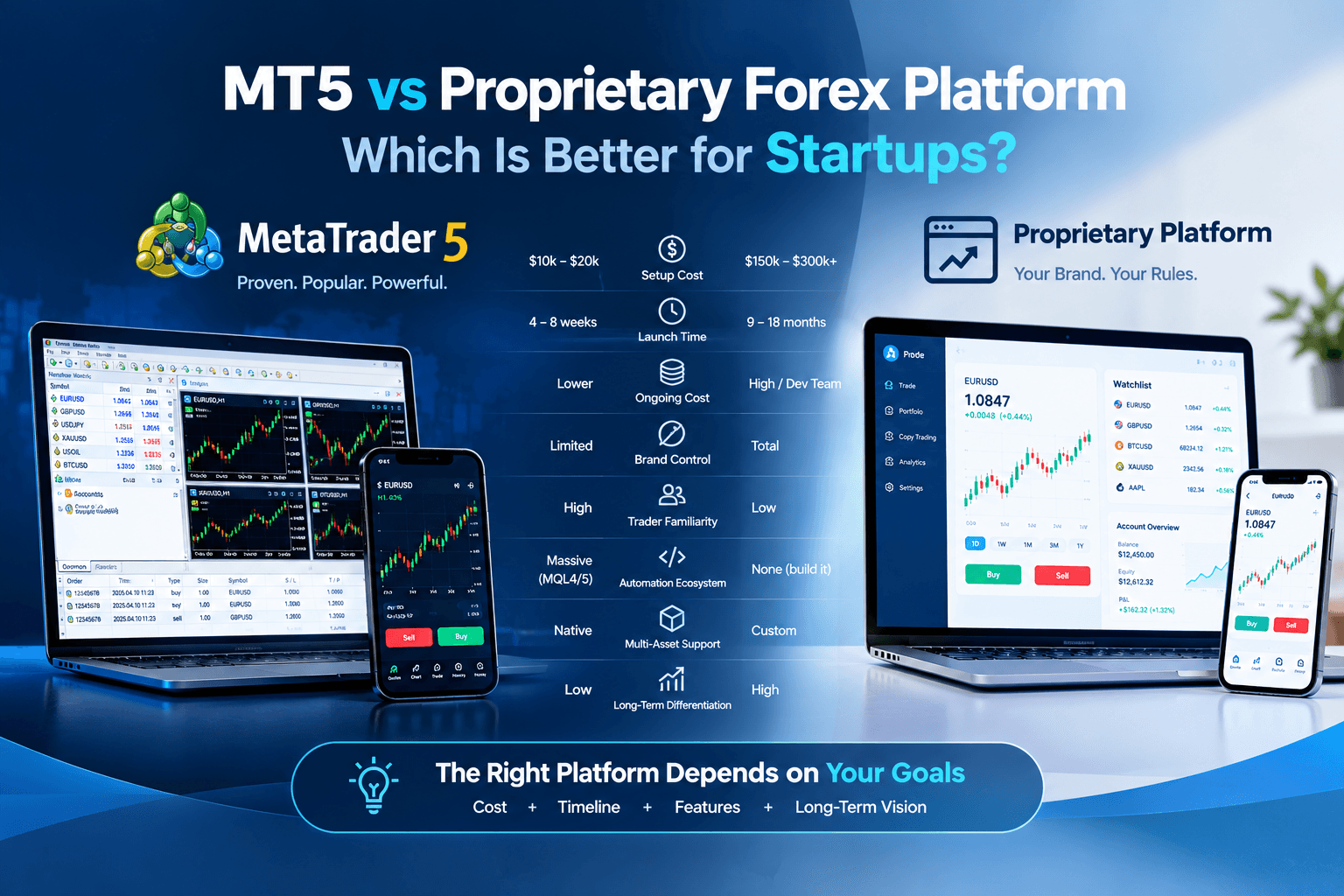
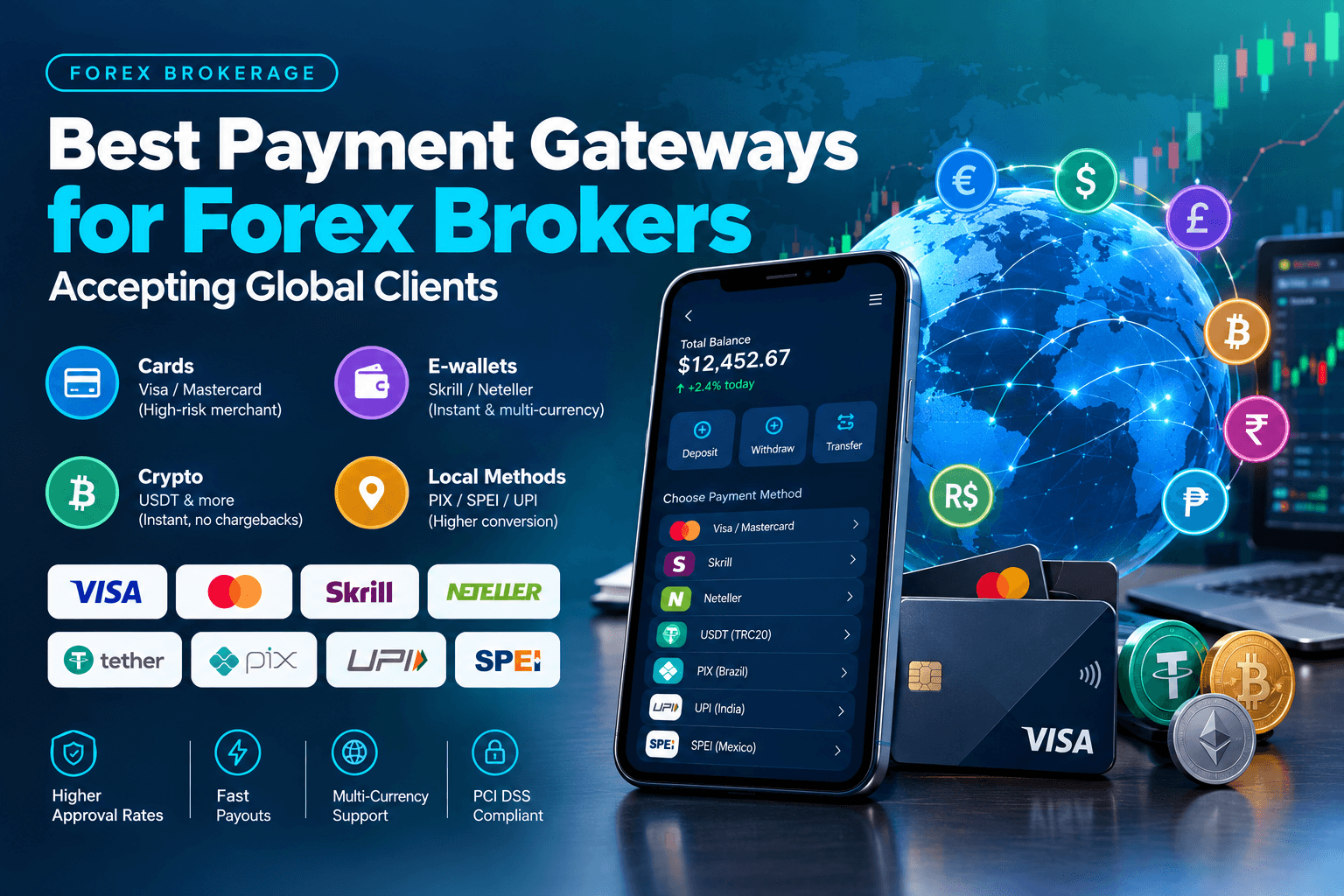
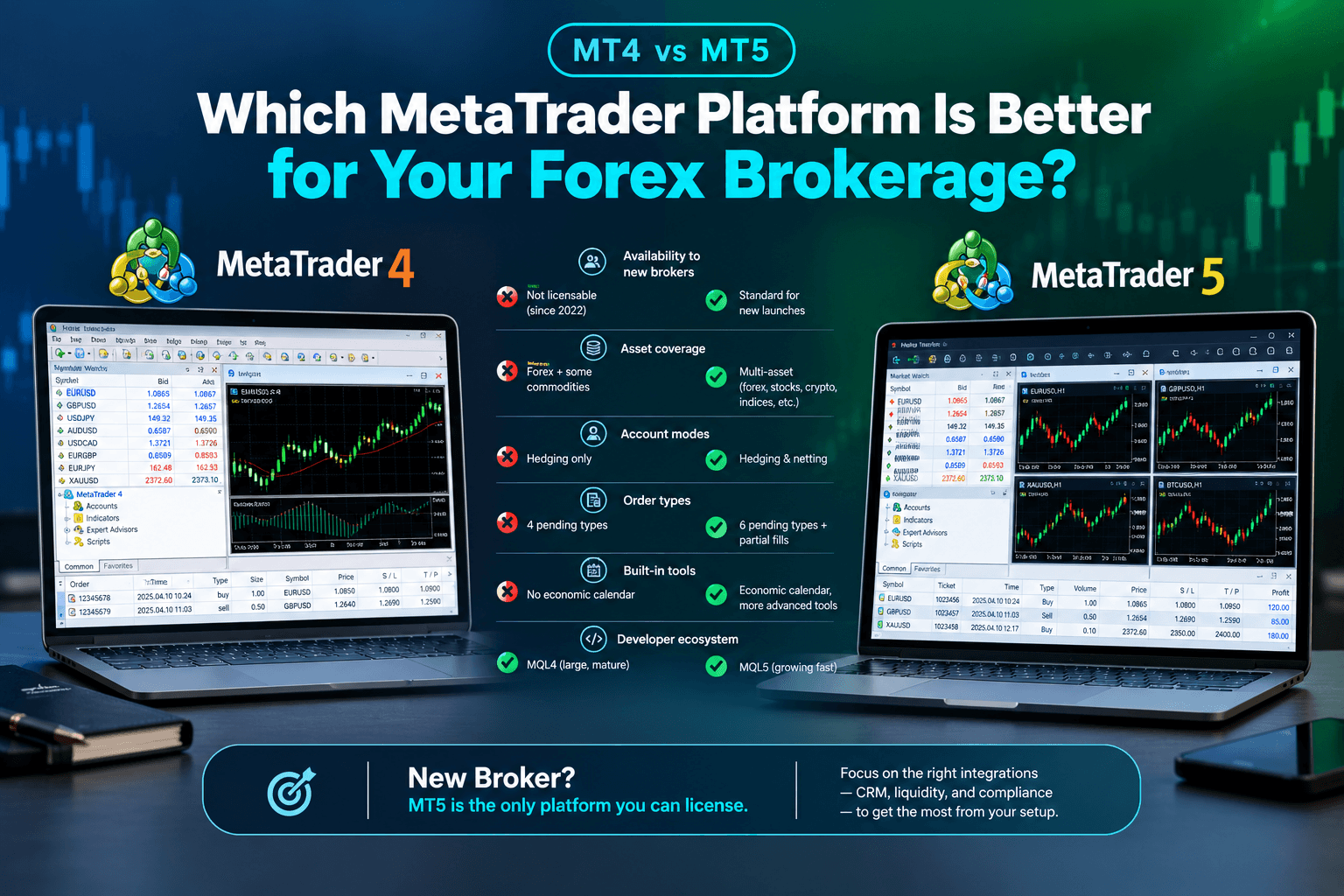
5. Technology Plan: Your platform, CRM, liquidity provider, and payment vendor relationships. Regulators increasingly want to see these named and described specifically, not left as "to be determined" vague infrastructure plans suggest you haven't actually built toward launch yet.
6. Financial Projections: A 3–5 year forecast, typically including profit & loss and cash flow. This needs to be grounded in your actual capital, cost structure, and realistic client acquisition rate not an aspirational hockey-stick projection that doesn't match your stated market analysis.
7. Risk Management and Organizational Structure: Your management team's CVs and fitness-and-proper evidence, an organizational chart, and documented risk management procedures. Stricter regulators (FCA, CySEC) require a formal risk-and-wind-down assessment; the FCA specifically requires an ICARA (Internal Capital Adequacy and Risk Assessment) covering how you'd wind down operations in an orderly way if needed.
How Requirements Scale by Jurisdiction
The depth expected in each section above scales significantly with your jurisdiction tier:
Jurisdiction Tier | Business Plan Depth Expected | Typical Review Time |
Offshore (SVG, Comoros) | Light — basic activity description | Days to weeks |
Mid-tier (Vanuatu, Seychelles) | Moderate — full plan with financial projections | 2–4 months |
Regulated (Mauritius) | Detailed — full plan plus substance evidence | 3–6 months |
Tier-1 (FCA, CySEC, ASIC) | Extensive — full plan + ICARA/wind-down + 3-year forecast | 6–18 months |
This is worth knowing before you draft anything: a business plan built for an offshore registration won't meet Tier-1 standards, and over-building for a lighter jurisdiction wastes real time and money you don't need to spend yet.
The Mistakes That Actually Cause Delays
Generic AML/KYC language: A compliance section that reads like it was copied from a template, without being adapted to your actual target markets and client profile, is one of the fastest ways to trigger regulator queries.
Vague execution model: "We'll do a mix of A-book and B-book" without specifics on ratios, triggers, or risk limits reads as undecided, not flexible and it undermines your capital and risk sections, which depend on this being clearly defined.
Unrealistic financial projections: Numbers that don't connect logically to your stated market analysis and client acquisition plan are an easy flag for an experienced reviewer.
Technology left as "TBD:" Naming your actual platform, CRM, and liquidity provider — even if contracts aren't finalized shows the regulator you've done real planning, not just paperwork.
Thin management CVs: Fitness-and-proper assessments look closely at relevant financial sector experience. A management team with no visible forex or financial services background is a real red flag, regardless of how strong the rest of the plan is.
Why This Connects to Everything Else in Your Launch
Your business plan isn't a standalone document — it's the blueprint the rest of your launch gets built against. The execution model you define here determines your liquidity bridge configuration. The compliance framework you describe here becomes what your CRM actually needs to log. Getting it specific and accurate at this stage saves you from reworking infrastructure decisions later because the plan and the build don't match.
Related Reading
- Mauritius Forex License: Real Cost, Timeline & Requirements
- Seychelles FSA License for Forex Brokers: Full Breakdown
- Offshore vs Regulated Forex License — Which Fits Your Budget?
- Forex Broker License Renewal: What Founders Forget
About FX Launch Pad
We've seen firsthand how a generic, templated business plan can add months to a licensing timeline that should have taken weeks, which is why we build this document around your actual execution model, target markets, and real vendor relationships from the start, rather than treating it as a formality to get past the regulator. Because we handle your technology and compliance setup directly, the business plan we help you build actually matches the infrastructure you'll run on, not a disconnected document written separately from your real launch plan.
If you want your business plan built to actually match your jurisdiction's expectations the first time, book a free consultation and we'll walk through what your specific regulator needs to see.
Frequently Asked Questions
Q-1 Do I need a business plan for an offshore forex license?
Ans- Yes, though the depth expected is lighter than regulated jurisdictions. Even offshore registrations typically require a basic business activity description, while mid-tier and regulated jurisdictions expect full financial projections and compliance frameworks.
Q-2 What is an ICARA and do I need one?
Ans- An Internal Capital Adequacy and Risk Assessment is required by the FCA and similar Tier-1 regulators, covering your risk management framework and an orderly wind-down plan. Offshore and mid-tier jurisdictions generally don't require this level of detail.
Q-3 How long should a forex brokerage business plan be?
Ans- There's no fixed length requirement, but a genuinely complete plan covering all seven core sections — executive summary, market analysis, business model, compliance, technology, financials, and risk management — typically runs well beyond a few pages for anything beyond the lightest offshore tier.
Q-4 Why do business plans get rejected or sent back for revision?
Ans- The most common reasons are generic AML/KYC language not adapted to the applicant's actual markets, a vague or undecided execution model, financial projections that don't align with the stated market analysis, and technology plans left undefined.
Q-5 Should my business plan name specific vendors like my CRM or liquidity provider?
Ans- Yes, where possible. Naming actual platform, CRM, and liquidity provider relationships — even before contracts are finalized — signals genuine launch readiness to a regulator, rather than a plan still in the conceptual stage.